-
Courses
Courses
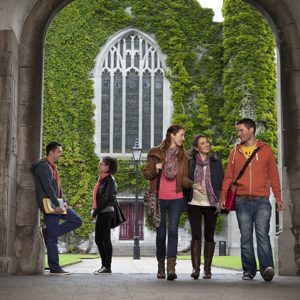
Choosing a course is one of the most important decisions you'll ever make! View our courses and see what our students and lecturers have to say about the courses you are interested in at the links below.
-
University Life
University Life
Each year more than 4,000 choose University of Galway as their University of choice. Find out what life at University of Galway is all about here.
-
About University of Galway
About University of Galway
Since 1845, University of Galway has been sharing the highest quality teaching and research with Ireland and the world. Find out what makes our University so special – from our distinguished history to the latest news and campus developments.
-
Colleges & Schools
Colleges & Schools
University of Galway has earned international recognition as a research-led university with a commitment to top quality teaching across a range of key areas of expertise.
-
Research & Innovation

Research & Innovation
University of Galway’s vibrant research community take on some of the most pressing challenges of our times.
-
Business & Industry
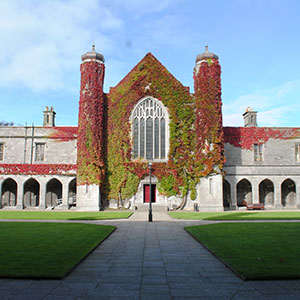
Guiding Breakthrough Research at University of Galway
We explore and facilitate commercial opportunities for the research community at University of Galway, as well as facilitating industry partnership.
-
Alumni & Friends
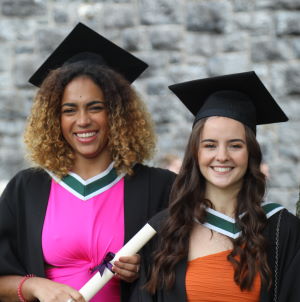
Alumni & Friends
There are 128,000 University of Galway alumni worldwide. Stay connected to your alumni community! Join our social networks and update your details online.
-
Community Engagement
Community Engagement
At University of Galway, we believe that the best learning takes place when you apply what you learn in a real world context. That's why many of our courses include work placements or community projects.








Bachelor of Arts with Human Rights
Bachelor of Arts with Human Rights
Entry Points (2023)
357
Course Overview
The Bachelor of Arts with Human Rights is an exciting, four year interdisciplinary degree programme offered by the College of Arts, Social Sciences, and Celtic Studies in conjunction with the Irish Centre for Human Rights.
The programme is unique in several respects, chiefly because it is the only undergraduate programme of its kind in the Republic of Ireland that allows undergraduates to specialise in a field that was previously reserved to postgraduate study.
Although strongly interdisciplinary, the course has a significant legal component, especially in year three, which is entirely dedicated to human rights.
During the course, students engage with human rights discourse through class-based teaching at the Irish Centre for Human Rights, which is one of one of the world's premier academic human rights institutions, dedicated to the study and promotion of human rights, international criminal law and international humanitarian law.
Finally, students will have the opportunity to undertake work placement or study abroad. The placement provides a unique opportunity to develop practical skills and experience the reality of a career in the field of human rights. Placements have been secured around the world, from Dublin to London, Genève, Madrid, Mexico, Peru and the Philippines.
Applications and Selections
Who Teaches this Course
Requirements and Assessment
Key Facts
Entry Requirements
Minimum Grade H5 in two subjects and passes in four other subjects at O6/H7 level in the Leaving Certificate, including Irish, English, another language, and three other subjects recognised for entry purposes.
Additional Requirements
Students must satisfy the Garda/Police vetting requirements.
Recognition of Prior Learning (RPL)
Duration
4 years
Next start date
September 2024
A Level Grades (2023)
universityofgalway.ie/alevels
Average intake
25
QQI/FET FETAC Entry Routes
Closing Date
NFQ level
Mode of study
ECTS weighting
Award
CAO
GY113
Course code
Course Outline
The programme explores the human rights legal framework, along with the philosophical basis and historical development of human rights. It provides students with both theoretical and practical understanding of how the human rights system works at international, regional and national level.
The programme covers the role of different actors in the promotion and protection of human Rights, including the human rights work undertaken by the United Nations, Non-Governmental Organisations (NGOs), and Regional and National systems.
Year 1
In the first year of the course, students will learn about human rights and their legal and historical development. The modules will cover the normative foundations of International Human Rights Law and the international human rights protection system.
Year 2
During the second year of the course, students will learn about the regional instruments of protection and promotion, such as the Inter-American, European, African, and Asian Human Rights System. In the second semester, the module will focus on specific contemporary human rights issues, such as the rights of migrants and refugees, LGBTIQ+ rights, and women's rights, providing students with an in-depth understanding of these topics.
Year 3
In Year 3, students will focus entirely on learning about human rights. In the first semester, they have the option to choose from a range of law and political science modules such as EU Law, Criminal Law, Administrative Law, Health Law and Policy, Irish Legal Systems, Constitutional Law and Legal Methods and Research. During the second semester, students will have the opportunity to either work with a human rights organisation, study abroad or participate in an Applied Human Rights Project.
Year 4
Students will complete their studies in their two core degree subjects and may, if suitable, incorporate the specialist skills and knowledge they have gained in human rights over the previous three years in their final year projects
Curriculum Information
Curriculum information relates to the current academic year (in most cases).Course and module offerings and details may be subject to change.
Glossary of Terms
- Credits
- You must earn a defined number of credits (aka ECTS) to complete each year of your course. You do this by taking all of its required modules as well as the correct number of optional modules to obtain that year's total number of credits.
- Module
- An examinable portion of a subject or course, for which you attend lectures and/or tutorials and carry out assignments. E.g. Algebra and Calculus could be modules within the subject Mathematics. Each module has a unique module code eg. MA140.
- Subject
- Some courses allow you to choose subjects, where related modules are grouped together. Subjects have their own required number of credits, so you must take all that subject's required modules and may also need to obtain the remainder of the subject's total credits by choosing from its available optional modules.
- Optional
- A module you may choose to study.
- Required
- A module that you must study if you choose this course (or subject).
- Required Core Subject
- A subject you must study because it's integral to that course.
- Semester
- Most courses have 2 semesters (aka terms) per year, so a three-year course will have six semesters in total. For clarity, this page will refer to the first semester of year 2 as 'Semester 3'.
Year 1 (60 Credits)
Optional Subject: Ancient Classics (15 Credits):
Optional CC230: Beginning Latin Part 1 - 5 Credits - Semester 1
Optional CC1101: Mythology and the City in Ancient Greece - 5 Credits - Semester 1
Optional CC114: Written Words & Spoken Languages in the Ancient World - 5 Credits - Semester 1
Optional CC1100: Classics in 20 Objects - 5 Credits - Semester 1
Optional CCS205: Ancient Greek for Beginners (Part One) - 5 Credits - Semester 1
Optional CC232: Beginning Latin Part 2 - 5 Credits - Semester 2
Optional CC1102: Empire and Literature in Ancient Rome - 5 Credits - Semester 2
Optional CCS206: Ancient Greek for Beginners (Part Two) - 5 Credits - Semester 2
Optional Subject: Archaeology (15 Credits):
Optional AR1104: Material Culture and Museums - 5 Credits - Semester 1
Required AR113: Prehistoric Ireland & Europe - 5 Credits - Semester 1
Optional AR1102: Recording Monuments in the Landscape - 5 Credits - Semester 2
Required AR1105: Medieval Ireland and Europe - 5 Credits - Semester 2
Optional Subject: Economics (15 Credits):
Required EC1108: Skills for Economics I - 5 Credits - Semester 1
Required EC135: Principles of Microeconomics - 5 Credits - Semester 1
Required EC136: Principles of Macroeconomics - 5 Credits - Semester 2
Optional Subject: English (15 Credits):
Required ENSK1100: Exploring English - 5 Credits - Semester 1
Required EN124: Introduction to English 1 - 5 Credits - Semester 1
Required EN125: Introduction to English 2 - 5 Credits - Semester 2
Optional Subject: French (15 Credits):
Required FR1100: Introduction to French Language and Culture - 15 Credits - Semester 1
Optional Subject: Gaeilge (15 Credits):
Optional NG1106: Litríocht agus Cultúr na Linne - 5 Credits - Semester 1
Required NG1105: An Teanga Bheo - 10 Credits - Semester 1
Optional NG1107: Scéal agus Pobal na Gaeilge - 5 Credits - Semester 2
Optional Subject: Geography/Tíreolaíocht (15 Credits):
Required TI1101: Geography in Practice - 5 Credits - Semester 1
Required TI150: Principles of Human Geography - 5 Credits - Semester 1
Required TI151: Principles of Physical Geography - 5 Credits - Semester 2
Optional Subject: German (Advanced) (15 Credits):
Required GR1100: German Language and Culture (Advanced) - 15 Credits - Semester 1
Optional Subject: German (Beginners) (15 Credits):
Required GR1101: German Language and Culture (Beginners) - 15 Credits - Semester 1
Optional Subject: Global Media (15 Credits):
Optional AJ1100: History of Media - 5 Credits - Semester 1
Optional AJ1104: Digital Literacy Essentials - 5 Credits - Semester 1
Optional AJ1102: Introduction to Media and Communication Studies - 5 Credits - Semester 2
Optional AJ1106: Pop Culture, Media and Society - 5 Credits - Semester 2
Optional AJ1105: Creative Coding and Web Media 101 - 5 Credits - Semester 2
Optional Subject: History (15 Credits):
Required HI1103: Europe and Ireland 1789 - 1918 - 5 Credits - Semester 1
Required HI1100: Skills for Historians (BA Connect) - 5 Credits - Semester 1
Required HI1104: Europe: From Medieval to Modern - 5 Credits - Semester 2
 Required Core
Subject: Human Rights (15 Credits):
Required Core
Subject: Human Rights (15 Credits):
Required HR101: Introduction to Human Rights I - 5 Credits - Semester 1
Required HR102: Introduction to Human Rights II - 5 Credits - Semester 2
Required HR103: Introduction to Human Rights III - 5 Credits - Semester 2
Optional Subject: Information Technology (15 Credits):
Required CT1101: Programming I - 5 Credits - Semester 1
Required CT1100: Computer Systems - 5 Credits - Semester 1
Required CT1102: Programming II - 5 Credits - Semester 2
Optional Subject: International Development (15 Credits):
Required DEV1103: Introduction to International Development - 5 Credits - Semester 1
Required DEV1100: Introduction to Sustainable Development I - 5 Credits - Semester 2
Optional Subject: Italian (15 Credits):
Required IT1100: Italian Language and Culture - 15 Credits - Semester 1
Optional Subject: Léann an Aistriúcháin (15 Credits):
Required LN1103: Bunscileanna Gramadaí - 10 Credits - Semester 1
Required LN105: Bunscileanna Aistriúcháin - 5 Credits - Semester 1
Optional Subject: Léann na Cumarsáide (15 Credits):
Required CG1105: Bunús na hIriseoireachta - 5 Credits - Semester 1
Required CG1107: Cleachtas Léirithe na Meán 1 - 5 Credits - Semester 1
Required CG1104: Na Meáin agus an tSochaí - 5 Credits - Semester 2
Optional Subject: Mathematics (15 Credits):
Optional MA131: Mathematical Skills - 5 Credits - Semester 1
Optional MA133: Analysis and Algebra 1 - 5 Credits - Semester 1
Optional MA185: Analysis and Algebra 1 - 5 Credits - Semester 1
Optional MA135: Analysis and Algebra 2 - 5 Credits - Semester 2
Optional MA187: Mathematical Skills - 5 Credits - Semester 2
Optional MA186: Analysis and Algebra 2 - 5 Credits - Semester 2
Optional Subject: Modern Irish Culture Studies: Literature and Music (15 Credits):
Required ISSK1100: Introducing Modern and Contemporary Irish Literature - 5 Credits - Semester 1
Required IS1103: Introducing Irish Traditional Music & Dance since 1893 - 5 Credits - Semester 1
Required IS1104: The Migrant Experience in Modern Irish Writing - 5 Credits - Semester 2
Optional Subject: Philosophy (15 Credits):
Required PI107: Introduction To The History Of Philosophy - 5 Credits - Semester 1
Required PISK1102: Critical Thinking and Logic - 5 Credits - Semester 1
Required PI108: Introduction To Practical Ethics - 5 Credits - Semester 2
Optional Subject: Sociological & Political Studies (15 Credits):
Required SP160: Problems in Politics & Sociology - 5 Credits - Semester 1
Required SP1125: Introduction to Politics - 5 Credits - Semester 1
Required SP1126: Introduction to Sociology - 5 Credits - Semester 2
Optional Subject: Spanish (Beginners) (15 Credits):
Required SH1100: Intensive Beginners Spanish Language and Culture - 15 Credits - Semester 1
Optional Subject: Spanish (Intermediate) (15 Credits):
Required SH1101: Intermediate Spanish Language and Culture - 15 Credits - Semester 1
Year 2 (60 Credits)
Optional Subject: Ancient Classics (25 Credits):
This subject is available if you studied Classics in the previous year / semester.
This subject is available if you studied Ancient Classics in the previous year / semester.
Optional CC2103: Mediterranean Origins - 5 Credits - Semester 3
Optional CC230: Beginning Latin Part 1 - 5 Credits - Semester 3
Optional CCS205: Ancient Greek for Beginners (Part One) - 5 Credits - Semester 3
Optional CCS315: Intermediate Latin 1 - 5 Credits - Semester 3
Optional CC3103: Intermediate Ancient Greek Part One - 5 Credits - Semester 3
Optional CCS311: Advanced Classical and Medieval Latin 1 - 5 Credits - Semester 3
Optional CCS201: Studies in the Ancient Imagination - 5 Credits - Semester 3
Optional CC2105: Heroic Epic - 5 Credits - Semester 3
Optional CC2104: The City-State - 5 Credits - Semester 4
Optional CC232: Beginning Latin Part 2 - 5 Credits - Semester 4
Optional CCS206: Ancient Greek for Beginners (Part Two) - 5 Credits - Semester 4
Optional CCS207: Studies in Ancient Literature and Thought - 5 Credits - Semester 4
Optional CCS316: Intermediate Latin 2 - 5 Credits - Semester 4
Optional SG217: A Field of Gods & Men: Celtic Myths - 5 Credits - Semester 4
Optional CC2102: Classical Mythology and Drama - 5 Credits - Semester 4
Optional CC3104: Intermediate Ancient Greek Part Two - 5 Credits - Semester 4
Optional CC321: Latin Texts from Medieval Ireland and Britain - 5 Credits - Semester 4
Optional Subject: Archaeology (25 Credits):
This subject is available if you studied Archaeology in the previous year / semester.
Optional TI254: Space, Place and the Irish Landscape - 5 Credits - Semester 3
Optional AR246: Castles, Colonists & Crannogs 1100-1350 - 5 Credits - Semester 3
Optional AR2102: People, Ritual and Death: Life in Early Prehistoric Europe - 5 Credits - Semester 3
Optional AR2101: Early Kingship: From Chaos to Cosmos - 5 Credits - Semester 3
Optional AR2105: Early Medieval Archaeology of Western Ireland - 5 Credits - Semester 3
Optional AR2103: Archaeology and Irish Identity – Celts, Christians, Vikings - 5 Credits - Semester 4
Optional AR245: Archaeology in Practice - 5 Credits - Semester 4
Optional AR236: Interpretation in Archaeology - 5 Credits - Semester 4
Optional AR334: Ancient Civilisations: The Rise of Complex Societies - 5 Credits - Semester 4
Optional AR2100: Making Sense of Art: Style, Symbol and Story - 5 Credits - Semester 4
Optional Subject: Economics (25 Credits):
This subject is available if you studied Geilleagar in the previous year / semester.
This subject is available if you studied Economics in the previous year / semester.
Optional EC207: Irish Economic History - 5 Credits - Semester 3
Required EC273: Mathematics for Economics - 5 Credits - Semester 3
Required EC269: Intermediate Microeconomics - 5 Credits - Semester 3
Optional EC219: Comparative Economic Thought - 5 Credits - Semester 3
Optional EC247: Introduction to Financial Economics - 5 Credits - Semester 4
Optional EC259: Economics of Public Policy - 5 Credits - Semester 4
Required EC268: Intermediate Macroeconomics - 5 Credits - Semester 4
Required EC275: Statistics for Economics - 5 Credits - Semester 4
Optional EC400.V: University of Villanova: Economics - 15 Credits - Semester 4
Optional Subject: English (25 Credits):
This subject is available if you studied English in the previous year / semester.
Optional EN448.I: Stories Told and Re-Told - 5 Credits - Semester 3
Optional EN2166: Seduction, Sexuality, and Race: Early Modern Identities - 5 Credits - Semester 3
Optional EN2102: Renaissance Drama - 5 Credits - Semester 3
Optional EN2106: Shakespearean Comedies - 5 Credits - Semester 3
Optional EN2107: Shakespearean Comedies - 5 Credits - Semester 3
Optional EN2154: Exploring Shakespeare (S1) - 5 Credits - Semester 3
Optional EN298.I: Spenser: The Faerie Queene - 5 Credits - Semester 3
Optional EN3154: Literature, Empathy and Estrangement (S1) - 5 Credits - Semester 3
Optional EN2121: Media Industries A - 5 Credits - Semester 3
Optional ENG227.I: Eighteenth-Century Writing - 5 Credits - Semester 3
Optional EN2112: Creative Writing - 5 Credits - Semester 3
Optional EN2173: Travel Writing in the Arctic - 5 Credits - Semester 3
Optional EN402.I: History Of the English Language - 5 Credits - Semester 3
Optional EN3133: The Brontës (S1) - 5 Credits - Semester 3
Optional EN2133: Media, Culture, Society - 5 Credits - Semester 3
Optional ENG230.I: 19th Century Detective Fiction - 5 Credits - Semester 3
Optional EN3101: Allusion, Adaptation and Appropriation - 5 Credits - Semester 3
Optional ENG243.I: Special Topic - 5 Credits - Semester 3
Optional EN3113: Modernist Fiction - 5 Credits - Semester 3
Optional ENG215.I: Literature of North America - 5 Credits - Semester 3
Optional EN2152: Monsters, Mischief, and Marvels: Reading Old English (S1) - 5 Credits - Semester 3
Optional EN385: Drama And Theatre Studies - 5 Credits - Semester 4
Optional EN3141: North American Literature - 5 Credits - Semester 3
Optional EN410.I: Jane Austen - 5 Credits - Semester 3
Optional EN2171: SERVICE LEARNING: READING AND WRITING WITH PRIMARY SCHOOL CHILDREN(S1) - 5 Credits - Semester 3
Optional ENG244.I: Textual Histories - 5 Credits - Semester 3
Optional EN2113: Creative Writing - 5 Credits - Semester 3
Optional EN278.I: Milton's Poetry - 5 Credits - Semester 3
Optional EN444.I: Pain & Pleasure in Jacobean Theatre - 5 Credits - Semester 3
Optional ENG213.I: Film Studies - 5 Credits - Semester 3
Optional ENG230.II: 19th Century Detective Fiction - 5 Credits - Semester 4
Optional EN410.II: Jane Austen - 5 Credits - Semester 4
Optional EN2114: Renaissance Drama - 5 Credits - Semester 4
Optional EN2116: Shakespearean Comedies - 5 Credits - Semester 4
Optional EN2172: SERVICE LEARNING: READING AND WRITING WITH PRIMARY SCHOOL CHILDREN(S2) - 5 Credits - Semester 4
Optional EN2155: Exploring Shakespeare (S2) - 5 Credits - Semester 4
Optional EN434.I: Studies in 20th Century Fiction - 5 Credits - Semester 4
Optional EN434.II: Studies in 20th Century Fiction - 5 Credits - Semester 4
Optional ENG203: Genre Studies - 5 Credits - Semester 4
Optional ENG304: Contemporary Literature - 5 Credits - Semester 4
Optional EN264: Studies In Medieval Literature - 5 Credits - Semester 4
Optional AJ2114: Communicating Through Storytelling - 5 Credits - Semester 4
Optional EN2100: Creative Writing - 5 Credits - Semester 4
Optional EN2174: Exploring Shakespeare (S2) - 5 Credits - Semester 4
Optional EN2117: Shakespearean Comedies - 5 Credits - Semester 4
Optional EN2153: Monsters, Mischief, and Marvels: Reading Old English (S2) - 5 Credits - Semester 4
Optional ENG215.II: Literature of North America - 5 Credits - Semester 4
Optional EN2142: Worlds in Revolt: Romanticisms - 5 Credits - Semester 4
Optional EN2156: Love and Literature - 5 Credits - Semester 4
Optional EN278.II: Milton's Poetry - 5 Credits - Semester 4
Optional EN2122: Media Industries B - 5 Credits - Semester 4
Optional EN3155: Literature, Empathy and Estrangement (S2) - 5 Credits - Semester 4
Optional EN298.II: Spenser: The Faerie Queene - 5 Credits - Semester 4
Optional ENG243.II: Special Topic - 5 Credits - Semester 4
Optional EN3102: Allusion, Adaptation and Appropriation - 5 Credits - Semester 4
Optional EN2120: Media Studies - 5 Credits - Semester 4
Optional ENG244.II: Textual Histories - 5 Credits - Semester 4
Optional EN448.II: Stories Told and Re-Told - 5 Credits - Semester 4
Optional EN2101: Creative Writing - 5 Credits - Semester 4
Optional EN3114: Modernist Fiction - 5 Credits - Semester 4
Optional EN2111: Nineteenth-Century Gothic Fiction - 5 Credits - Semester 4
Optional ENG213.II: Film Studies - 5 Credits - Semester 4
Optional EN2168: Early Modern Studies in the Global Classroom - 5 Credits - Semester 4
Optional EN3134: The Brontës (S2) - 5 Credits - Semester 4
Optional ENG202: 18th Century Studies - 5 Credits - Semester 4
Optional Subject: French (25 Credits):
This subject is available if you studied French in the previous year / semester.
Optional FR269: Lecture du français: Textes, Contextes, Idées - 5 Credits - Semester 3
Optional FR270: Langue poétique/ langue vivante - 5 Credits - Semester 3
Required FR266: French Language 5 - 10 Credits - Semester 3
Optional FR267: La France mise en scène - 5 Credits - Semester 4
Optional FR2100: Expressing French and Francophone Identities - 5 Credits - Semester 4
Optional Subject: Gaeilge (25 Credits):
This subject is available if you studied Gaeilge in the previous year / semester.
Required NG227: Teanga Na Nua-Ghaeilge I - 5 Credits - Semester 3
Required NG2100: An tSochtheangeolaíocht - 5 Credits - Semester 3
Required NG2101: An Gearrscéal sa Ghaeilge - 5 Credits - Semester 3
Optional NG2108: Canúint agus Caighdeán - 5 Credits - Semester 4
Optional NG2109: Téamaí i Nuafhilíocht na Gaeilge - 5 Credits - Semester 4
Optional NG2103: Teanga na Sean-Ghaeilge I - 5 Credits - Semester 4
Optional NG2104: Na Meáin Chumarsáide agus an Ghaeilge - 5 Credits - Semester 4
Optional NG2102: Scannánaíocht na Gaeilge - 5 Credits - Semester 4
Optional NG2107: Ainmneacha, Sloinnte agus Logainmneacha na hÉireann - 5 Credits - Semester 4
Optional NG2106: An Fhiannaíocht - 5 Credits - Semester 4
Optional NG2105: Amhránaíocht na Gaeilge - 5 Credits - Semester 4
Required NG228: Teanga Na Nua-Ghaeilge II - 5 Credits - Semester 4
Optional NG2110: Drámaíocht na Gaeilge - 5 Credits - Semester 4
Optional Subject: Geography/Tíreolaíocht (25 Credits):
This subject is available if you studied Geography/Tíreolaíocht in the previous year / semester.
Optional TI254: Space, Place and the Irish Landscape - 5 Credits - Semester 3
Optional TI2102: Introduction To GIS - 10 Credits - Semester 3
Optional TI229: Political & Cutural Geography: Identity, Race & the Nation - 5 Credits - Semester 3
Optional TI235: Biogeography - 5 Credits - Semester 3
Optional TI216: Aimsir Agus Aeraid/ Weather And Climate - 5 Credits - Semester 3
Optional BSS2103: Introduction to Sustainability 1 - 5 Credits - Semester 3
Optional TI255: Earth Surface Landforms and Processes - 5 Credits - Semester 4
Required TI251: Theory & Practice in Geography I - 5 Credits - Semester 3
Optional TI236: Environmental Planning: Principles & Processes - 5 Credits - Semester 3
Optional TI230: Economic Geography - 5 Credits - Semester 4
Optional TI258: Rural Environments: Sustainability & Management - 5 Credits - Semester 4
Optional TI2104: Marine Spatial Planning - 5 Credits - Semester 4
Optional TI2108: Introduction to Palaeoclimatology - 5 Credits - Semester 4
Optional AJ2114: Communicating Through Storytelling - 5 Credits - Semester 4
Required TI252: Theory & Practice in Geography II - 5 Credits - Semester 4
Optional TI248: Coastal Environments - 5 Credits - Semester 4
Optional Subject: German (25 Credits):
This subject is available if you studied German (Beginners) in the previous year / semester.
This subject is available if you studied German (Advanced) in the previous year / semester.
Optional GR239: History of German Literature & Culture I - 5 Credits - Semester 3
Optional GR238: German Studies I - 5 Credits - Semester 3
Required GR236: German Language I - 5 Credits - Semester 3
Optional GR240: German Studies II - 5 Credits - Semester 4
Optional GR235: History of German Literature & Culture II - 5 Credits - Semester 4
Required GR237: German Language II - 5 Credits - Semester 4
Optional Subject: Global Media (25 Credits):
This subject is available if you studied Global Media in the previous year / semester.
Optional AJ2102: Power without Responsibility - 5 Credits - Semester 3
Optional AJ2109: Understanding Media Audiences - 5 Credits - Semester 3
Optional AJ2112: Lies, Damned Lies, and Statistics - 5 Credits - Semester 3
Optional BSS2103: Introduction to Sustainability 1 - 5 Credits - Semester 3
Optional MG3113: Megatrends - 5 Credits - Semester 3
Optional AJ2100: Online and Social Media: Theory and Practice - 5 Credits - Semester 4
Optional AJ2110: How Television Lobotomised the World - 5 Credits - Semester 4
Optional AJ2116: Global Migration and Media: Refugees, Climate, Misinformation and Crisis - 5 Credits - Semester 4
Optional BSS2104: Introduction to Sustainability 2 - 5 Credits - Semester 4
Optional MG3115: Megatrends - 5 Credits - Semester 4
Optional Subject: History (25 Credits):
This subject is available if you studied History in the previous year / semester.
Optional HI166: Ireland in the 1950s - 10 Credits - Semester 3
Optional HI2103: Monarchy & Society in Early 17th Century France - 10 Credits - Semester 3
Optional MG3113: Megatrends - 5 Credits - Semester 3
Optional BSS2103: Introduction to Sustainability 1 - 5 Credits - Semester 3
Optional HI2155: Cultural Heritage & Public History - 5 Credits - Semester 3
Optional HI2147: Life in urban Galway during the long nineteenth century - 10 Credits - Semester 3
Optional HI2110: Making Ireland English: 1580-1665 - 5 Credits - Semester 3
Optional HI2150: Europe, 1918-49 - 5 Credits - Semester 3
Optional HI292: Central Europe, 1867-1918 - 5 Credits - Semester 3
Optional HI284.I: Themes in Early Modern History I - 5 Credits - Semester 3
Optional HI2148: The British Empire in the Eighteenth Century - 5 Credits - Semester 3
Optional HI249: Ireland:Economy And Society,1700-1850 - 5 Credits - Semester 4
Optional HI431: French Mobilisation and the Great War, 1914-24 - 10 Credits - Semester 4
Optional HI2135: Fluxes, Fevers and Fighting Men: Disease and Armies (1489-1856) - 10 Credits - Semester 4
Optional AJ2114: Communicating Through Storytelling - 5 Credits - Semester 4
Optional MG3115: Megatrends - 5 Credits - Semester 4
Optional BSS2104: Introduction to Sustainability 2 - 5 Credits - Semester 4
Optional HI2156: Revolutionary Technologies, from Steam to Green - 5 Credits - Semester 4
Optional HI494: British Social Movements Since 1945: Sex, Colour, Peace and Power - 10 Credits - Semester 4
Optional HI2123: Life and Death in Victorian Britain - 5 Credits - Semester 4
Optional HI2151: Europe since 1950 - 5 Credits - Semester 4
Optional HI2146: The Making & Breaking of Britain - 5 Credits - Semester 4
Optional HI2149: Global History 1870-1945 - 5 Credits - Semester 4
Optional HI459: The Tudors: Religion, State & Society - 5 Credits - Semester 4
Required Core
Subject: Human Rights (10 Credits):
Required HR2101: The Regional Protection of Human Rights - 5 Credits - Semester 3
Required HR2103: Contemporary Issues in Human Rights Protection - 5 Credits - Semester 4
Optional Subject: Information Technology (25 Credits):
This subject is available if you studied Information Technology in the previous year / semester.
Optional CT2105: Web-based Information Systems - 5 Credits - Semester 3
Required CT230: Database Systems I - 5 Credits - Semester 3
Required CT2101: Object Oriented Programming I - 5 Credits - Semester 3
Optional CT2103: Systems Analysis & Design - 5 Credits - Semester 4
Required CT2102: Object Oriented Programming II - 5 Credits - Semester 4
Required CT2104: Web Application Development - 5 Credits - Semester 4
Optional Subject: Italian (25 Credits):
This subject is available if you studied Italian in the previous year / semester.
Optional IT238: Italian Culture & Society I - 5 Credits - Semester 3
Required IT235: Intermediate Language I - 5 Credits - Semester 3
Required IT2101: Oral (Communication and Presentation Skills) - 5 Credits - Semester 3
Optional IT239: Italian Culture & Society II - 5 Credits - Semester 4
Required IT237: Applied Language Skills: Intercultural Studies - 5 Credits - Semester 4
Required IT236: Intermediate language II - 5 Credits - Semester 4
Optional Subject: Léann an Aistriúchain (25 Credits):
This subject is available if you studied Léann an Aistriúcháin in the previous year / semester.
Required LN201: Aistriúchán Feidhmeach Téacsanna I - 5 Credits - Semester 3
Required LN203: Gramadach agus Litriú na Gaeilge I - 5 Credits - Semester 3
Required LN207: Cruinneas agus Saibhriú Teanga - 5 Credits - Semester 4
Required LN204: Aistriúchán Feidhmeach Téacsanna II - 5 Credits - Semester 4
Required LN308: Téarmeolaíocht - 5 Credits - Semester 4
Optional Subject: Léann na Cumarsáide (25 Credits):
This subject is available if you studied Léann na Cumarsáide in the previous year / semester.
Required CG2100: Anailís na Meán - 5 Credits - Semester 3
Required CG2101: Craoltóireacht - 5 Credits - Semester 3
Required GA117: Dlí, Eiticí agus an Córas Poiblí - 5 Credits - Semester 3
Required CG2106: Cleachtas Léirithe na Meán 2 - 5 Credits - Semester 3
Required GA210: An Gné-Alt - 5 Credits - Semester 4
Optional Subject: Mathematical Studies (25 Credits):
This subject is available if you studied Mathematics in the previous year / semester.
This subject is available if you studied Mathematics (Honours) in the previous year / semester.
This subject is available if you studied Mathematics in the previous year / semester.
Required MA284: Discrete Mathematics - 5 Credits - Semester 3
Required MA211: Calculus I - 5 Credits - Semester 3
Required ST2001: Statistics for Data Science 1 - 5 Credits - Semester 3
Required MA212: Calculus II - 5 Credits - Semester 4
Required MA203: Linear Algebra - 5 Credits - Semester 4
Optional Subject: Mathematics (25 Credits):
Required ST2001: Statistics for Data Science 1 - 5 Credits - Semester 3
Required MA2286: Differential Forms - 5 Credits - Semester 3
Required MA284: Discrete Mathematics - 5 Credits - Semester 3
Optional MA801: University of Villanova - 15 Credits - Semester 4
Required MA2287: Complex Analysis - 5 Credits - Semester 4
Required MA283: Linear Algebra - 5 Credits - Semester 4
Optional Subject: Modern Irish Culture Studies: Literature & Music (25 Credits):
Optional IS2102: Festival, Ritual and Commemoration - 5 Credits - Semester 3
Optional IS2104: Claiming Place in Gaelic Irish Literature - 5 Credits - Semester 3
Optional EN464.I: Negotiating Identities: Aspects of 20th Century Irish Writing - 5 Credits - Semester 3
Optional IS2105: Popular Music, Cultural Identities and Ireland - 5 Credits - Semester 3
Optional IS2100: Music, Gender and Ireland - 5 Credits - Semester 4
Optional IS2103: Irish Landscapes, Culture and Literature - 5 Credits - Semester 4
Optional EN464.II: Negotiating Identities: Aspects of 20th Century Irish Writing - 5 Credits - Semester 4
Optional Subject: Philosophy (25 Credits):
This subject is available if you studied Philosophy in the previous year / semester.
Optional PI210: Moral And Political Philosophy - 5 Credits - Semester 3
Optional BSS2103: Introduction to Sustainability 1 - 5 Credits - Semester 3
Optional PI234: Topics in Practical Philosophy - 5 Credits - Semester 3
Optional PI248: Phenomenology - 5 Credits - Semester 3
Optional PI240: Bioethics - 5 Credits - Semester 3
Optional ED2103: Design Your Life - 5 Credits - Semester 3
Optional PS3123: Exploring Routes to Wellbeing - 5 Credits - Semester 3
Required PI216: History Of Modern Philosophy - 5 Credits - Semester 3
Optional PI2102: Formal Logic - 5 Credits - Semester 4
Optional BSS2104: Introduction to Sustainability 2 - 5 Credits - Semester 4
Optional PI207: Philosophy Of Art - 5 Credits - Semester 4
Optional PI2105: Philosophical Inquiry through P4C - 5 Credits - Semester 4
Optional PI2101: Information Ethics - 5 Credits - Semester 4
Optional PI241: History Of Irish Thought - 5 Credits - Semester 4
Optional ED2104: Design Your Life Semester 2 - 5 Credits - Semester 4
Optional PI247: Nietzsche & Philosophy - 5 Credits - Semester 4
Optional PI2100: East Asian Philosophy and Culture - 5 Credits - Semester 4
Optional PI2XX: 2nd Year Dummy seminar module - 5 Credits - Semester 4
Optional PI246: American Pragmatism - 5 Credits - Semester 4
Optional PI232: Topics in Theoretical Philosophy - 5 Credits - Semester 4
Optional Subject: Sociological And Political Studies (25 Credits):
This subject is available if you studied Sociological & Political Studies in the previous year / semester.
Optional SP216.I: European Politics - 5 Credits - Semester 3
Optional SP235: Social Issues and Policy Responses - 5 Credits - Semester 3
Optional SP2116: Sociology of Health - 5 Credits - Semester 3
Optional SP2117: International and Global Politics - 5 Credits - Semester 3
Required SPSK3101: Politics and Society: Themes and Topics - 5 Credits - Semester 3
Optional SP212: Classical Social Thought - 5 Credits - Semester 4
Optional SP215.II: Modern Political Thought - 5 Credits - Semester 4
Required SP220: Methods For Social And Political Science - 5 Credits - Semester 4
Required SPSK3102: Society and Politics: Ideas and Research - 5 Credits - Semester 4
Optional Subject: Spanish (25 Credits):
This subject is available if you studied Spanish (Advanced) in the previous year / semester.
This subject is available if you studied Spanish (Beginners) in the previous year / semester.
This subject is available if you studied Spanish (Intermediate) in the previous year / semester.
Optional SH232: Hispanic Literature & Culture I - 5 Credits - Semester 3
Optional SH2101: Spanish Language II A: Ex-Intermediate - 5 Credits - Semester 3
Optional SH2100: Spanish Language II B: Ex-Beginner - 5 Credits - Semester 3
Optional SH236: Cultural Debates in Latin America - 5 Credits - Semester 3
Required SH2102: Spoken Spanish and Oral Presentation Skills - 5 Credits - Semester 3
Optional SH233: Hispanic Literature & Culture II - 5 Credits - Semester 4
Required SH2103: Spanish Language II C - 5 Credits - Semester 4
Year 3 (60 Credits)
Optional LW409: Criminal Law I - 5 Credits - Semester 5Optional LW4103: Administrative Law I - 5 Credits - Semester 5
Optional LW227: Constitutional Law I - 5 Credits - Semester 6
Optional LW107.I: Legal Methods And Research - 5 Credits - Semester 5
Optional SP3195: Equality, Diversity and Collective Action - 5 Credits - Semester 5
Optional SP3197: Thinking Politically: The Power of Ideas - 5 Credits - Semester 5
Optional SP3208: Contemporary American Politics - 5 Credits - Semester 5
Required LW503: European Union Law I - 5 Credits - Semester 5
Required LW103.I: Irish Legal Systems - 5 Credits - Semester 5
Optional LW405: Health Law & Policy - 5 Credits - Semester 5
Optional SP406: Principles Of Political Theory - 5 Credits - Semester 5
Optional HR3101: Applied Human Rights Project S2 - 30 Credits - Semester 6
Optional HR302: Internship with HR Organisation: Sem 2 - 30 Credits - Semester 6
Optional HR304: Study Abroad / Erasmus: Sem 2 - 30 Credits - Semester 6
Optional SP3134: Human Rights Advocacy: Concepts, Law and Practice - 5 Credits - Semester 6
Year 4 (60 Credits)
Optional Subject: Archaeology (30 Credits):
This subject is available if you studied Archaeology in the previous year / semester.
Required AR3100: Metal, Warfare, and Chiefdoms - The Bronze Age Roots of European Civilization - 5 Credits - Semester 7
Required AR338: Explaining Prehistory - Current Research Trends - 5 Credits - Semester 7
Required AR343: Public Archaeology - 5 Credits - Semester 7
Optional AR325: Minor Dissertation - 5 Credits - Semester 8
Optional BSS2104: Introduction to Sustainability 2 - 5 Credits - Semester 8
Required AR347: Palaeoecology - Reconstructing Past Environments - 5 Credits - Semester 8
Required AR332: The Development Of The Castle In Medieval Europe - 5 Credits - Semester 8
Optional AR3101: Landscape and Archaeology: Context and Practice - 5 Credits - Semester 8
Optional Subject: Classics (30 Credits):
This subject is available if you studied Classics in the previous year / semester.
Optional CCS205: Ancient Greek for Beginners (Part One) - 5 Credits - Semester 7
Optional CC230: Beginning Latin Part 1 - 5 Credits - Semester 7
Optional SG3100: The Cultural Impact of Christianity on Ireland - 5 Credits - Semester 7
Optional CCS315: Intermediate Latin 1 - 5 Credits - Semester 7
Optional CC3102: Studying Greek Figured Pottery - 5 Credits - Semester 7
Optional CC3108: Ancient Rhetoric - 5 Credits - Semester 7
Optional CC3103: Intermediate Ancient Greek Part One - 5 Credits - Semester 7
Optional CCS311: Advanced Classical and Medieval Latin 1 - 5 Credits - Semester 7
Optional CC316: Barbarians - 5 Credits - Semester 7
Optional CCS306: Iconography - 5 Credits - Semester 8
Optional CC232: Beginning Latin Part 2 - 5 Credits - Semester 8
Optional CCS307: Ireland & the Ancient World - 5 Credits - Semester 8
Optional CCS316: Intermediate Latin 2 - 5 Credits - Semester 8
Optional CC3100: Pompeii - 5 Credits - Semester 8
Optional CCS206: Ancient Greek for Beginners (Part Two) - 5 Credits - Semester 8
Optional CC3104: Intermediate Ancient Greek Part Two - 5 Credits - Semester 8
Optional CC321: Latin Texts from Medieval Ireland and Britain - 5 Credits - Semester 8
Optional CC3111: Creative Writing for Ancient Classics - 5 Credits - Semester 8
Optional CCS303.II: Special Research Project in Classics - 5 Credits - Semester 8
Optional Subject: Economics (30 Credits):
This subject is available if you studied Economics in the previous year / semester.
Optional EC345: Health Economics - 5 Credits - Semester 7
Optional EC3105: Econometrics - 5 Credits - Semester 7
Optional EC388: Environmental And Natural Resource Economics - 5 Credits - Semester 7
Optional EC369: Money And Banking - 5 Credits - Semester 7
Required EC3101: Microeconomics and Public Policy - 5 Credits - Semester 7
Optional EC427: Ireland, Europe & the Global Economy - 5 Credits - Semester 7
Optional EC382: International Economics - 5 Credits - Semester 7
Optional EC362: Economics Of Financial Markets - 5 Credits - Semester 8
Optional EC3100: Economics and Philosophy - 5 Credits - Semester 8
Optional EC386: Public Economics - 5 Credits - Semester 8
Optional EC429: Marine Economics - 5 Credits - Semester 8
Optional EC3106: Behavioural Finance - 5 Credits - Semester 8
Optional EC3104: Agricultural and Food Economics - 5 Credits - Semester 8
Optional EC357: Development Economics - 5 Credits - Semester 8
Required EC3102: Macroeconomics and Public Policy - 5 Credits - Semester 8
Optional Subject: English (30 Credits):
This subject is available if you studied English in the previous year / semester.
Optional EN387: Specialist Studies : Twentieth Century Literature - 5 Credits - Semester 7
Optional EN3105: 20th Century Children's Fiction - 5 Credits - Semester 7
Optional EN3109: Poetry of the First World War - 5 Credits - Semester 7
Optional EN3110: Poetry of the First World War - 5 Credits - Semester 7
Optional EN3144: Empire Writing (S1) - 5 Credits - Semester 7
Optional EN2146: Medieval Piety: Poetry, Play, Prose (S1) - 5 Credits - Semester 7
Optional EN464.I: Negotiating Identities: Aspects of 20th Century Irish Writing - 5 Credits - Semester 7
Optional EN459.I: Contemporary Irish Writing - 5 Credits - Semester 7
Optional ENG238: Nineteenth Century British Literature - 5 Credits - Semester 7
Optional EN3141: North American Literature - 5 Credits - Semester 7
Optional EN3146: Monsters, Mischief, and Marvels: Reading Old English (S1) - 5 Credits - Semester 7
Optional EN598.I: Literature and Visual Art - 5 Credits - Semester 7
Optional EN3159: 20th Century Writing By Women (British & North America) - 5 Credits - Semester 7
Optional EN280.I: Transformations of the Novel - 5 Credits - Semester 7
Optional EN435.I: Studies in 20th Century Poetry - 5 Credits - Semester 7
Optional ENG213.I: Film Studies - 5 Credits - Semester 7
Optional ENG223.I: Special Theme - 5 Credits - Semester 7
Optional EN3150: Historical Fiction (S1) - 5 Credits - Semester 7
Optional ENG228: Old English Poetry - 5 Credits - Semester 8
Optional EN439.I: Cinema/Media Studies - 5 Credits - Semester 7
Optional EN402.I: History Of the English Language - 5 Credits - Semester 7
Optional EN3119: Technology and Culture A - 5 Credits - Semester 7
Optional EN3121: Murder, Intrigue, and Early Modern True Crime (S1) - 5 Credits - Semester 7
Optional EN404.I: Contemporary Irish Poetry - 5 Credits - Semester 7
Optional EN3106: 20th Century Children's Fiction - 5 Credits - Semester 7
Optional EN3136: James Joyce, Ulysses (S1) - 5 Credits - Semester 7
Optional EN3139: Twentieth-Century Irish Drama (S1) - 5 Credits - Semester 7
Optional ENG232.I: African Fiction - 5 Credits - Semester 7
Optional ENG242.I: Modernist Fiction - 5 Credits - Semester 7
Optional EN3123: Stage and Page: The Early Modern Imagination - 5 Credits - Semester 7
Optional EN3107: 20th Century Children's Fiction - 5 Credits - Semester 7
Optional EN599.I: Literary Composition - 5 Credits - Semester 7
Optional EN3111: Poetry of the First World War - 5 Credits - Semester 8
Optional ENG232.II: African Fiction - 5 Credits - Semester 8
Optional EN3112: Poetry of the First World War - 5 Credits - Semester 8
Optional EN3120: Technology and Culture B - 5 Credits - Semester 8
Optional EN3137: James Joyce, Ulysses (S2) - 5 Credits - Semester 8
Optional EN3140: Twentieth-Century Irish Drama (S2) - 5 Credits - Semester 8
Optional EN3156: 20th Century Writing By Women (British & North America) - 5 Credits - Semester 8
Optional EN459.II: Contemporary Irish Writing - 5 Credits - Semester 8
Optional EN3138: Literature in the Digital Age - 5 Credits - Semester 8
Optional EN385: Drama And Theatre Studies - 5 Credits - Semester 8
Optional EN3145: Empire Writing (S2) - 5 Credits - Semester 8
Optional ENG228: Old English Poetry - 5 Credits - Semester 8
Optional EN280.II: Transformations of the Novel - 5 Credits - Semester 8
Optional EN464.II: Negotiating Identities: Aspects of 20th Century Irish Writing - 5 Credits - Semester 8
Optional ENG202: 18th Century Studies - 5 Credits - Semester 8
Optional EN4110: Gender, Sexuality and Drama (S2) - 5 Credits - Semester 8
Optional EN3151: Historical Fiction (S2) - 5 Credits - Semester 8
Optional EN388: Studies In Modern Irish Literature - 5 Credits - Semester 8
Optional EN4112: Ecology and Literature - 5 Credits - Semester 8
Optional ENG207.II: Nineteenth-Century Writing - 5 Credits - Semester 8
Optional EN3122: Murder, Intrigue, and Early Modern True Crime (S2) - 5 Credits - Semester 8
Optional EN3147: Monsters, Mischief, and Marvels: Reading Old English (S2) - 5 Credits - Semester 8
Optional ENG223.II: Special Theme - 5 Credits - Semester 8
Optional EN3134: The Brontës (S2) - 5 Credits - Semester 8
Optional EN598.II: Literature and Visual Art - 5 Credits - Semester 8
Optional EN599.II: Literary Composition - 5 Credits - Semester 8
Optional ENG304: Contemporary Literature - 5 Credits - Semester 8
Optional EN434.II: Studies in 20th Century Fiction - 5 Credits - Semester 8
Optional EN434.I: Studies in 20th Century Fiction - 5 Credits - Semester 8
Optional EN3128: Writing Animals (S2) - 5 Credits - Semester 8
Optional EN284.II: Creative Writing - Credits - Semester 8
Optional EN435.II: Studies in 20th Century Poetry - 5 Credits - Semester 8
Optional EN439.II: Cinema/Media Studies - 5 Credits - Semester 8
Optional EN2147: Medieval Piety: Poetry, Play, Prose (S2) - 5 Credits - Semester 8
Optional EN404.II: Contemporary Irish Poetry - 5 Credits - Semester 8
Optional EN3108: 20th Century Children's Fiction - 5 Credits - Semester 8
Optional ENG242.II: Modernist Fiction - 5 Credits - Semester 8
Optional ENG203: Genre Studies - 5 Credits - Semester 8
Optional EN399: Essay - 5 Credits - Semester 8
Optional Subject: French (30 Credits):
This subject is available if you studied French in the previous year / semester.
Required FR3100: French Literature and Culture 11 - 5 Credits - Semester 7
Required FR371: French Literature & Culture 7 - 5 Credits - Semester 7
Required FR379: French Language 6 - 10 Credits - Semester 7
Optional FR3101: French Language (Advanced) 1 - 5 Credits - Semester 7
Required FR366: French and Francophone Studies 10 - 5 Credits - Semester 8
Required FR380: French and Francophone Studies 11 - 5 Credits - Semester 8
Optional FR3102: French Language (Advanced) 2 - 5 Credits - Semester 8
Optional Subject: Gaeilge (Cursa A) (30 Credits):
This subject is available if you studied Gaeilge in the previous year / semester.
Optional NG4102: Miontráchtas Taighde i Léann na Gaeilge - 5 Credits - Semester 7
Optional NG4104: Cineál agus Ceart na Gaeilge - 5 Credits - Semester 7
Optional NG4107: Teanga na Sean-Ghaeilge II - 5 Credits - Semester 7
Optional WE111: Introduction to Welsh Language I - 5 Credits - Semester 7
Optional NG4106: Ainmeolaíocht na Gaeilge - 5 Credits - Semester 7
Optional NG4103: Scannánaíocht na Gaeilge - 5 Credits - Semester 7
Optional NG4112: Scríbhneoirí Thír Chonaill - 5 Credits - Semester 7
Optional NG4115: Gaeilge na hAlban 1 - 5 Credits - Semester 7
Required NG4101: Filí agus Filíocht na Gaeilge, 700-1900 - 5 Credits - Semester 7
Required NG4113: Teanga Na Nua-Ghaeilge 111 - 5 Credits - Semester 7
Optional NG4111: Cartlanna na Gaeilge - 5 Credits - Semester 7
Optional NG4110: An Ghaeilge agus na Meáin Chumarsáide - 5 Credits - Semester 7
Optional NG4100: Traidisiún na Lámhscríbhinní déanacha - 5 Credits - Semester 7
Required NG4105: An Béaloideas - An Scéalaíocht - 5 Credits - Semester 8
Required NG4109: Próslitríocht na Gaeilge - 5 Credits - Semester 8
Required NG4114: Teanga Na Nua-Ghaeilge IV - 5 Credits - Semester 8
Optional Subject: Geography/Tíreolaíocht (30 Credits):
This subject is available if you studied Geography/Tíreolaíocht in the previous year / semester.
Optional TI326: War & Representation: Spaces & Politics of the Media - 5 Credits - Semester 7
Optional TI369: Geographical Perspectives on Rural Change - 5 Credits - Semester 7
Optional TI303: Coastal Dynamics - 5 Credits - Semester 7
Optional TI3126: Geographies of Tourism: Planning, Development and Sustainability - 5 Credits - Semester 7
Optional TI3127: Critical Geographies of Children - 5 Credits - Semester 7
Optional MG3113: Megatrends - 5 Credits - Semester 7
Optional TI3128: Palaeoceanography - 5 Credits - Semester 7
Optional MG3117: Intercultural Encounters - 5 Credits - Semester 7
Required TI335: Research Project Design & Development - 5 Credits - Semester 7
Optional TI3113: Long-term Environmental Change - 5 Credits - Semester 7
Optional TI332: Local Development: Theory and Practice - 5 Credits - Semester 7
Optional TI3114: Environmental Change: International course in Chengdu, China - 5 Credits - Semester 7
Optional TI311: Advanced Gis - 5 Credits - Semester 8
Optional TI3117: Migration, Mobility and Belonging - 5 Credits - Semester 8
Optional TI338: Palaeoecology - Reconstructing Past Environments - 5 Credits - Semester 8
Optional MG3115: Megatrends - 5 Credits - Semester 8
Optional TI324: Urban Geography: Planning the Modern City - 5 Credits - Semester 8
Optional TI359: Research Seminar in Geography - 10 Credits - Semester 8
Optional TI361: Research Seminar in GIS & Environmental Changes - 10 Credits - Semester 8
Optional TI3102: Research Seminar in Agriculture and the Multifunctional Countryside - 10 Credits - Semester 8
Optional TI3125: Research Seminar in Ice Age Climate - 10 Credits - Semester 8
Optional TI3124: Research Seminar in Conservation Geography - 10 Credits - Semester 8
Optional TI3123: Research Seminar in Biogeography - 10 Credits - Semester 8
Optional TI3121: Research Seminar in Marine Spatial Planning - 10 Credits - Semester 8
Optional TI3106: Research Seminar in Critical Geopolitics - 10 Credits - Semester 8
Optional TI3109: Research Seminar in Landscape and Heritage - 10 Credits - Semester 8
Optional TI3107: Research Seminar in Future Climate Change - 10 Credits - Semester 8
Optional TI3108: Research Seminar in Health Geography - 10 Credits - Semester 8
Optional TI3105: Research Seminar in Conservation - 10 Credits - Semester 8
Optional TI353: Research Seminar in Economic & Population Geography - 10 Credits - Semester 8
Optional TI362: Research Seminar in Planning & Urban Geography - 10 Credits - Semester 8
Optional TI364: Research Seminar:Health Geography & Urban-Rural Fringe Development - 10 Credits - Semester 8
Optional TI360: Research Seminar in Biogeography & Physical Geography - 10 Credits - Semester 8
Optional TI358: Research Seminar in Social Geography - 10 Credits - Semester 8
Optional TI355: Research Seminar in Historical & Cultural Geography - 10 Credits - Semester 8
Optional TI3101: Research Seminar in Natural Climate Variability - 10 Credits - Semester 8
Optional TI3111: Research Seminar in Soil monitoring and waste management - 10 Credits - Semester 8
Optional TI356: Research Seminar in Physical Geography - 10 Credits - Semester 8
Optional TI365: Research Seminar in Critical Environmental Geography - 10 Credits - Semester 8
Optional TI366: Seminar in Environmental Planning - 10 Credits - Semester 8
Optional TI357: Research Seminar in Human Geography - 10 Credits - Semester 8
Optional TI363: Seminar in Coastal Geomorphology & Physical Geography - 10 Credits - Semester 8
Optional TI3112: Research Seminar in Sustainability & Resource Use - 10 Credits - Semester 8
Optional TI367: Research Seminar in Developmental Geographies - 10 Credits - Semester 8
Optional TI351: Research Seminar in Recent Environment Change - 10 Credits - Semester 8
Optional TI352: Research Seminar in Geography of Rural Social & Economic Change - 10 Credits - Semester 8
Optional TI354: Research Seminar in Rural Development & Sustainable Environment - 10 Credits - Semester 8
Optional TI3110: Research Seminar in Political and Cultural Geography - 10 Credits - Semester 8
Optional TI3100: Geography of Children, Youth and Families - 10 Credits - Semester 8
Optional TI3103: Research Seminar in Beach Dune Dynamics - 10 Credits - Semester 8
Optional TI3104: Research Seminar in Climate Change Impacts and Adaptation - 10 Credits - Semester 8
Optional TI3118: Research Seminar in Rural Planning - 10 Credits - Semester 8
Optional TI3119: Research Seminar in Tourism - 10 Credits - Semester 8
Optional TI3120: Research Seminar in Human-Environment Interactions - 10 Credits - Semester 8
Optional TI350: Research Seminar in Sustainable Development - 10 Credits - Semester 8
Optional Subject: German (30 Credits):
This subject is available if you studied German in the previous year / semester.
Optional GR337: German Cultural Studies I - 5 Credits - Semester 7
Required GR341: German Language I - 5 Credits - Semester 7
Required GR338: German Cultural Studies II - 5 Credits - Semester 7
Optional GR339: German Cultural Studies III - 5 Credits - Semester 8
Required GR342: German Language II - 5 Credits - Semester 8
Required GR340: German Cultural Studies IV - 5 Credits - Semester 8
Optional Subject: Global Media (30 Credits):
Optional AJ4106: Media Research Methods - 5 Credits - Semester 7
Optional AJ4110: Independent Research Project - 10 Credits - Semester 7
Optional FM4109: Research Approaches in Sport & Exercise Studies - 5 Credits - Semester 7
Optional AJ4112: The End of the World is Nigh: Media and the Climate Crisis - 5 Credits - Semester 7
Required AJ4103: Contemporary Irish Media: Policy, Politics and Practice since 1922 - 5 Credits - Semester 7
Required AJ4100: We need to talk about gender, identity, race and sex - 5 Credits - Semester 7
Optional AJ4107: Advanced Media Production - 10 Credits - Semester 7
Optional AJ4108: Gangsters, Narcos and Wise Guys: Crime, Representation and Media - 5 Credits - Semester 8
Optional AJ4105: Media Law and Ethics - 5 Credits - Semester 8
Optional AJ4102: Global Political Economy of the Mass Media - 5 Credits - Semester 8
Optional Subject: History (30 Credits):
This subject is available if you studied History in the previous year / semester.
Optional HI3110: European Warfare 1618-1714: Theory and Practice - 10 Credits - Semester 7
Optional HI443: State & People in Ireland 1820-1845 - 10 Credits - Semester 7
Optional HI376: Popular Culture In Pre-Industrial Europe - 5 Credits - Semester 7
Optional HI167: Power and Conflict in Northern Ireland, 1963-1972 - 10 Credits - Semester 7
Optional HI3100: Brave New World: Globalisation since 1945 - 5 Credits - Semester 7
Optional BSS2103: Introduction to Sustainability 1 - 5 Credits - Semester 7
Optional HI3102: The Irish and Colonial Australasia 1788-1901 - 10 Credits - Semester 7
Optional HI3112: The First World War: Transnational perspectives - 10 Credits - Semester 7
Optional HI3123: Power and Pleasure at Versailles: The Reign of Louis XIV of France, 1661-1715 - 10 Credits - Semester 7
Optional HI3126: Labour radicalism in the Anglophone world, c.1900-1939 - 10 Credits - Semester 7
Optional HI3194: The Environment Since 1945 - 10 Credits - Semester 7
Optional MG3113: Megatrends - 5 Credits - Semester 7
Optional HI2155: Cultural Heritage & Public History - 5 Credits - Semester 7
Optional BSS2104: Introduction to Sustainability 2 - 5 Credits - Semester 8
Optional HI488: Labour in Irish Society & Politics, c. 1760-1960 - 5 Credits - Semester 8
Optional HI3195: Suffrage to Repeal: women's activism in Ireland and Britain, 1880-2016 - 5 Credits - Semester 8
Optional HI3196: The Great Irish Famine - 5 Credits - Semester 8
Optional HI362: Party & Power In 19th & 20th Century British History. - 5 Credits - Semester 8
Optional HI3304: Technology and Society 1750-1930 - 5 Credits - Semester 8
Optional MG3115: Megatrends - 5 Credits - Semester 8
Optional HI2156: Revolutionary Technologies, from Steam to Green - 5 Credits - Semester 8
Optional AJ2114: Communicating Through Storytelling - 5 Credits - Semester 8
Optional Subject: Information Technology (30 Credits):
This subject is available if you studied Information Technology in the previous year / semester.
Optional CT318: Human Computer Interaction - 5 Credits - Semester 7
Optional CT319: Artificial Intelligence - 5 Credits - Semester 7
Required CT3535: Object Oriented Programming III - 5 Credits - Semester 7
Optional CT411: Multi-Media Development - 5 Credits - Semester 8
Required CT328: Final Year Project - 10 Credits - Semester 8
Required CT327: Humanities Applications - 5 Credits - Semester 8
Optional Subject: Italian (30 Credits):
This subject is available if you studied Italian in the previous year / semester.
Optional IT345: Community Based Learning:Language Teaching - 5 Credits - Semester 7
Optional IT342: Italian Culture & Society III - 5 Credits - Semester 7
Required IT324: Language 111 - 10 Credits - Semester 7
Required IT346: Oral, Presentation and Transferable Skills - 5 Credits - Semester 7
Optional IT344: Italian Childrens Literature - 5 Credits - Semester 8
Optional IT343: Italian Culture & Society IV - 5 Credits - Semester 8
Optional Subject: Léann an Aistriúchain (30 Credits):
This subject is available if you studied Léann an Aistriúchain in the previous year / semester.
Required LN305: Eagarthóireacht agus Léamh Profaí - 5 Credits - Semester 7
Required LN302: Gramadach and Litriú na Gaeilge 2 - 5 Credits - Semester 7
Required LN303: Aistriúchán Feidhmeach Téacsanna 3 - 5 Credits - Semester 7
Required LN3101: Gnó an Aistriúcháin / Fotheidealú - 5 Credits - Semester 8
Required LN3102: Tionscadal Aistriúcháin - 10 Credits - Semester 8
Optional Subject: Léann na Cumarsáide (30 Credits):
This subject is available if you studied Léann na Cumarsáide in the previous year / semester.
Required CG4102: Lucht Féachana na Meán - 5 Credits - Semester 7
Required GA413: Geilleagar na Meán - 5 Credits - Semester 7
Required CG2104: Scriptscríobh - 5 Credits - Semester 7
Required GA402: Iriseoireacht Fheidhmeach - 5 Credits - Semester 7
Required CG4103: Tionscadal Deireadh Céime - 5 Credits - Semester 8
Required CG4101: Dúshláin na Meán Sóisialta - 5 Credits - Semester 8
Optional Subject: Mathematical Studies (30 Credits):
This subject is available if you studied Mathematical Studies in the previous year / semester.
Optional ST311: Applied Statistics I - 5 Credits - Semester 7
Optional CS3304: Logic - 5 Credits - Semester 7
Required MA313: Linear Algebra I - 5 Credits - Semester 7
Required MA335: Algebraic Structures - 5 Credits - Semester 7
Optional CS402: Cryptography - 5 Credits - Semester 8
Optional ST312: Applied Statistics II - 5 Credits - Semester 8
Required MA302: Complex Variable - 5 Credits - Semester 8
Required CS3101: Software for Mathematical Scientists and Educators - 5 Credits - Semester 8
Required MA334: Geometry - 5 Credits - Semester 8
Optional MA492: Cryptography - 5 Credits - Semester 8
Optional Subject: Mathematics (Honours) (30 Credits):
This subject is available if you studied Mathematics in the previous year / semester.
Optional MA416: Rings - 5 Credits - Semester 7
Optional ST311: Applied Statistics I - 5 Credits - Semester 7
Optional MA490: Measure Theory - 5 Credits - Semester 7
Optional ST417: Introduction to Bayesian Modelling - 5 Credits - Semester 7
Optional MA341: Metric Spaces - 5 Credits - Semester 7
Optional ST2003: Random Variables - 5 Credits - Semester 7
Required MA3101: Euclidean and Non-Euclidean Geometry - 5 Credits - Semester 7
Required MA3343: Groups - 5 Credits - Semester 7
Optional ST312: Applied Statistics II - 5 Credits - Semester 8
Optional MA461: Probabilistic Models for Molecular Biology - 5 Credits - Semester 8
Optional MA4344: Advanced Group Theory - 5 Credits - Semester 8
Optional CS4423: Networks - 5 Credits - Semester 8
Optional CS402: Cryptography - 5 Credits - Semester 8
Optional MA482: Functional Analysis - 5 Credits - Semester 8
Optional ST2004: Statistical Inference - 5 Credits - Semester 8
Required MA3491: Fields and Applications - 5 Credits - Semester 8
Required MA342: Topology - 5 Credits - Semester 8
Optional Subject: Modern Irish Culture Studies: Literature & Music (30 Credits):
This subject is available if you studied Modern Irish Culture Studies: Literature & Music in the previous year / semester.
Required IS3100: Introducing Literary and Cultural Theory - 5 Credits - Semester 7
Required IS3101: Topics in Irish Music Studies - 5 Credits - Semester 7
Required IS3102: Topics in Irish Literature Studies - 5 Credits - Semester 7
Required IS3103: Independent Project in Irish Studies - 15 Credits - Semester 8
Optional Subject: Philosophy (30 Credits):
This subject is available if you studied Philosophy in the previous year / semester.
Optional PI3100: Kant's Theoretical Philosophy - 5 Credits - Semester 7
Optional PI315: Philosophy of Mind - 5 Credits - Semester 7
Optional PI335: Moral Theory - 5 Credits - Semester 7
Optional PI3104: Philosophy of Culture in Context - 5 Credits - Semester 7
Optional PI3103: Environmental Ethics - 5 Credits - Semester 7
Optional PI3106: Formal Logic 2 - 5 Credits - Semester 7
Optional BI3103: Career Development and Employability Skills - 5 Credits - Semester 7
Optional PI399: Extended Essay - 5 Credits - Semester 8
Optional PI327: Philosophy Of Religion - 5 Credits - Semester 8
Optional PI310: Topics In Applied Philosophy: Disability, Poverty And Human Freedom - 5 Credits - Semester 8
Optional PI3105: Philosophy of Nature - 5 Credits - Semester 8
Optional PI129: Advanced Philosophical Text - 5 Credits - Semester 8
Optional SP3211: Empathy in Action - 5 Credits - Semester 8
Optional PI241: History Of Irish Thought - 5 Credits - Semester 8
Optional PI3102: Contemporary East Asian Philosophies - 5 Credits - Semester 8
Optional PI246: American Pragmatism - 5 Credits - Semester 8
Optional Subject: Sociological And Political Studies (30 Credits):
This subject is available if you studied Sociological And Political Studies in the previous year / semester.
Optional SP404: Development And Change - 5 Credits - Semester 7
Optional SP219: Political Sociology - 5 Credits - Semester 7
Optional SP3195: Equality, Diversity and Collective Action - 5 Credits - Semester 7
Optional SP3197: Thinking Politically: The Power of Ideas - 5 Credits - Semester 7
Optional SP3208: Contemporary American Politics - 5 Credits - Semester 7
Optional SP3199: Care, Power, Information - 5 Credits - Semester 7
Optional SPL315.I: Smart & Liveable Cities and Suburbs - 5 Credits - Semester 7
Optional SP3154: Volunteering: Theory, Policy and Practice (S1) - 5 Credits - Semester 7
Optional SP689.I: Childhood and Children's Rights - 5 Credits - Semester 7
Optional SP3118: Understanding Youth - 5 Credits - Semester 7
Optional SPL301: The Politics of Peace and Conflict - 5 Credits - Semester 7
Optional SP3106: Mobilities - 5 Credits - Semester 7
Optional SP3141: Socially-Engaged Art and Relations of Power - 5 Credits - Semester 8
Optional SP618: Welfare Words: Key Words in Social Work & Social Welfare - 5 Credits - Semester 8
Optional SP419: Marxist Theory - 5 Credits - Semester 8
Optional SP3129: Sexualities, Genders and Diversities - 5 Credits - Semester 8
Optional SP305: Comparative Public Policy - 5 Credits - Semester 8
Optional SP3137: Youth and Society - 5 Credits - Semester 8
Optional SP3139: Comparative Government and Politics - 5 Credits - Semester 8
Optional SPL315.II: Smart & Liveable Cities and Suburbs - 5 Credits - Semester 8
Optional SP3192: Sociology of Religion - 5 Credits - Semester 8
Optional SP721: Ocean and Marine Politics - 5 Credits - Semester 8
Optional SP420: Sociology Of The Environment - 5 Credits - Semester 8
Optional SP3193: Introduction to Social Work - 5 Credits - Semester 8
Optional SP3194: Theories of Nationalism - 5 Credits - Semester 8
Optional SP405: Contemporary Social Thought - 5 Credits - Semester 8
Optional SP701: Children & Young People in Families Today - 5 Credits - Semester 8
Optional SP705.II: Revisiting Violence - 5 Credits - Semester 8
Optional SP3198: Songs of Rebellion: Power, Resistance, and Affect - 5 Credits - Semester 8
Optional SP3134: Human Rights Advocacy: Concepts, Law and Practice - 5 Credits - Semester 8
Optional SP3150: Teaching Methods for the Politics and Society Classroom - 5 Credits - Semester 8
Optional SP3101: 'Community' - Significance and Change - 5 Credits - Semester 8
Optional SP3205: Digital Society: Policy and Governance of the Digital Age - 5 Credits - Semester 8
Optional WS821.II: Thinking Differently: European Women's Studies - 5 Credits - Semester 8
Optional SP3133: The Northern Ireland Conflict - 5 Credits - Semester 8
Optional SP3103: European Union: Political Theory and Pol. Economy - 5 Credits - Semester 8
Optional SP3213: Contemporary African Politics - 5 Credits - Semester 8
Optional SP3214: Biosociality and Bioeconomy: The Value(s) of Living Things - 5 Credits - Semester 8
Optional SP3215: Security & World Affairs: People, Planet, Places - 5 Credits - Semester 8
Optional SP3209: The Sociology of the Bioeconomy - 5 Credits - Semester 8
Optional SPL304: Women, Men & the Economy: Critical Explorations of Theory & Policy - 5 Credits - Semester 8
Optional SP3157: Theories of Nationalism (S2) - 5 Credits - Semester 8
Optional SP470: Politics In The Republic Of Ireland - 5 Credits - Semester 8
Optional SP459: The Irish Administrative System - 5 Credits - Semester 8
Optional SPL318: Understanding Youth - 5 Credits - Semester 8
Optional SP3XX: 3rd Year Dummy Seminar Module - 5 Credits - Semester 8
Optional Subject: Spanish (30 Credits):
This subject is available if you studied Spanish in the previous year / semester.
Required SH339: Spanish Language III - 5 Credits - Semester 7
Required SH337: Hispanic Literature & Culture IV - 5 Credits - Semester 7
Required SH336: Hispanic Literature & Culture III - 5 Credits - Semester 7
Required SH340: Spanish Language IV - 10 Credits - Semester 8
Required SH3104: Hispanic Research: From Theory to Practice - 5 Credits - Semester 8
Optional SH3101: Myth and Identity in Mexican and Central American Literatures - 5 Credits - Semester 8
Optional SH338: Mexican Women Writers - 5 Credits - Semester 8
Optional SH3102: Reading Gesture in Contemporary Latin American Literature - 5 Credits - Semester 8
Further Education
The degree provides a firm basis for further study at the postgraduate level, including all LLM programmes offered by the Irish Centre for Human Rights such as: the LLM in International Human Rights, the LLM in Peace Operations, Humanitarian Law and Conflict, the LLM in International Criminal Law, the LLM in International Migration and Refugee Law and Policy.
Why Choose This Course?
Career Opportunities
The degree will provide an excellent foundation for many types of careers. The interdisciplinary character of the programme provides students with many skills and competencies required in a competitive job market.
Career prospects include working with the United Nations, the Irish Department of Foreign Affairs and Trade, Irish Aid, the European Union, International Non-Governmental Organisations and Development Cooperation agencies.
Career prospects also include working in public administration, civil service, local NGOs and charities, community and social work.
Work placement
In the third year, the programme offers students the opportunity to choose from a number of optional modules including an internship with a human rights organization. The work placement consists of a minimum of 200 hours of work (on average 20 hours per week for three months) with an approved human rights organisation in Ireland or abroad.
This scheme provides a unique opportunity for our students to gain practical experience of working for a human rights NGO engaged in advocacy, research, education, and policy work. Limited funding is available to support students during their placement through the ERASMUS traineeship funding (especially covering placements taking place in EU countries).
International links
The course also offers opportunities for students to study abroad. This particularly suits students taking language modules, who in their third year may apply to study abroad through the ERASMUS programme.
Who’s Suited to This Course
Learning Outcomes
Transferable Skills Employers Value
Work Placement
Study Abroad
Related Student Organisations
Course Fees
Fees: EU
€5,598 p.a. (€5,738 p.a. including levy) 2024/25
Fees: Tuition
€2,598 p.a. 2024/25
Fees: Student Contribution
€3,000 p.a. 2024/25
Fees: Student levy
€140 p.a. 2024/25
Fees: Non EU
€18,500 p.a. (€18,640 p.a. including levy) 2024/25
EU Fees are comprised of Tuition + Student Contribution Charge + Student Levy** €140. **Payable by all students and is not covered by SUSI. Further detail here.
Find out More
College of Arts, Social Sciences, and Celtic Studies
T +353 91 493 958
F +353 91 495 508
E collegearts@universityofgalway.ie and humanrights@universityofgalway.ie
www.universityofgalway.ie/human_rights

Sarah Mitchell | Student of BA with Human Rights
My name is Sarah Mitchell and I’m studying the BA connect with human rights in University of Galway. What initially attracted me to this course was its uniqueness as it is one of a kind In Ireland. This course is perfect for those who have an interest in policies and human rights. The course lectures are unlike your average lecture, as the small class groups allow you to discuss ideas and topics with your lecturer and peers. The options this course gives you in third year is fantastic. You can choose between study abroad, work placement or a human rights project. The work placement allows you to get a real idea what it means to work within a human rights organisation and allows students to work in an area they are interested in. This course has allowed me to gain knowledge and experience in a field I’m passionate about. The BA Connect with Human Rights can not be recommended enough.